Happy Dreaming: A Font for Effortless Elegance
The Signature Look That Feels Authentic
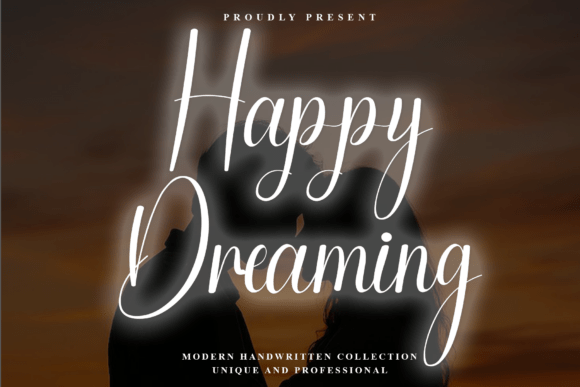
In a digital landscape crowded with generic typography, finding a typeface that feels genuinely personal can be a challenge. Happy Dreaming is a modern handwritten script font that solves this problem with grace. It isn't just another script; it's a carefully crafted tool designed to impart a sophisticated, signature look to your projects. The font's character is defined by its beautifully flowing lines, smooth, generous curves, and graceful, elongated strokes. This combination creates a visual rhythm that feels both luxurious and approachable, avoiding the overly casual or messy look of many free alternatives. It’s a professional and unique typeface that carries an inherent sense of authenticity and refinement.
Think of it as the typographic equivalent of a well-tailored outfit or a hand-written thank you note on premium stationery. The personality of Happy Dreaming is warm, elegant, and confident. It doesn't shout for attention but rather draws the viewer in with its understated sophistication. This makes it an exceptional choice for projects where you want to establish a personal connection and convey a sense of quality and care. Whether you're crafting a brand identity for a boutique business or designing editorial layouts for a lifestyle magazine, this creative font adds a human touch that sterile, geometric fonts often lack.
Where This Script Font Truly Shines
The versatility of Happy Dreaming is one of its greatest strengths. It’s a premium font that finds its home in a wide array of applications, but it excels in contexts that benefit from a personal, luxurious, or artistic flair. For entrepreneurs and small business owners, it’s a powerful asset for logo design. A logo set in Happy Dreaming can instantly communicate that a brand is boutique, detail-oriented, and customer-focused. It works beautifully for logos in the wedding planning, photography, cosmetics, artisanal goods, and high-end consulting spaces.
Beyond the logo, this typeface is foundational for a cohesive brand identity. Use it consistently across your business cards, letterheads, thank you cards, and email signatures to build recognition and a professional, polished image. In editorial design, it’s perfect for creating striking pull quotes, chapter titles in books, or elegant headlines in magazines that demand a sweeping, dramatic effect. The font's natural flow guides the eye, making it ideal for creating visual hierarchy in layouts that might otherwise feel static.
For digital creators and marketers, Happy Dreaming offers a way to cut through the noise on social media. Its distinctive style makes it a standout choice for social media graphics, Instagram story titles, Pinterest pins, and YouTube thumbnails. It adds a layer of personality that helps your content feel more curated and professional. In packaging design, especially for cosmetics, gourmet foods, or luxury goods, this handwritten font can elevate the entire product experience, suggesting that what’s inside is just as special as the presentation.
Making It Work: Practical Guidance for Your Projects
Choosing the right font is a strategic decision, not just an aesthetic one. When evaluating if Happy Dreaming is the right fit, consider the project's core message and audience. It’s an excellent match for projects targeting adults who appreciate elegance, craftsmanship, and a personal touch. Ask yourself: does this project need to feel human, luxurious, and authentic? If the answer is yes, it’s a strong candidate.
A critical step in implementation is font pairing. A script font like Happy Dreaming is a display font, meaning it’s designed for impact at larger sizes, like headlines and logos. For body text and longer paragraphs, readability is paramount. Pair it with a clean, simple serif font or a sans serif font. For instance, pairing Happy Dreaming with a classic serif like Lora or a modern sans serif like Montserrat creates a beautiful contrast that is both readable and visually harmonious. The script handles the personality, while the secondary font handles the information.
Always review the included styles and features of the typeface. A professional font like this often includes stylistic alternates, ligatures, and swashes that allow you to customize the look of specific letters, adding even more uniqueness to your designs. Test these features to see how they can enhance your project. Before finalizing, test the font at the intended size in its actual context—on a website mockup, a printed sample, or a social media post—to assess real-world readability and overall impact. Finally, ensure you are using a commercial font with the correct license for your project, whether it’s for a personal blog or a client’s product packaging. This professional approach protects you and respects the work of the type designer.
In the world of modern typography, tools like Happy Dreaming are more than just letters; they are essential design assets. They provide a shortcut to conveying specific emotions and qualities, helping you build a stronger connection with your audience. By using this font thoughtfully, you can infuse your work with a consistent sense of elegance and authenticity that strengthens your brand and makes your creative projects more memorable.